Rules of Roof Maintenance
Your roof works every day to protect your home from heat, wind and rain. Regular maintenance can help prevent leaks, protect roofing materials and identify small problems before they become expensive repairs.
A Little Maintenance Can Prevent a Much Bigger Problem
Roof problems rarely begin as major failures. A cracked tile, deteriorated flashing, clogged valley or small opening around a roof penetration can allow moisture into the roof system long before a homeowner notices an interior leak.
Gardner Roofing Company has served San Jacinto and the Inland Empire since 1973. These are the basic roof-maintenance habits we recommend for homeowners who want to protect their roof and catch problems early.
What Homeowners Should Check Throughout the Year
Inspect From the Ground — Then Check the Attic
Walk around your property a few times each year and look for lifted shingles, missing or broken tiles, damaged flashing and debris collecting on the roof.
Inside the attic, look for water stains, musty odors, damp materials or visible daylight through the roof deck.
Keep the Roof and Gutters Clear
Leaves, branches and other debris can trap moisture and interfere with drainage. Keep roof valleys, gutters and downspouts clear so rainwater can move away from the home properly.
Avoid pressure washing roofing materials. High-pressure water can damage shingles, tiles and protective roof surfaces.
Control Trees, Moss and Algae
Trim branches away from the roof to reduce falling debris and excessive shade. Overhanging limbs can also damage roofing materials during high winds.
If moss or algae develops, use roof-safe methods appropriate for the roofing material rather than harsh scraping or chemicals.
Pay Attention to Flashing and Roof Penetrations
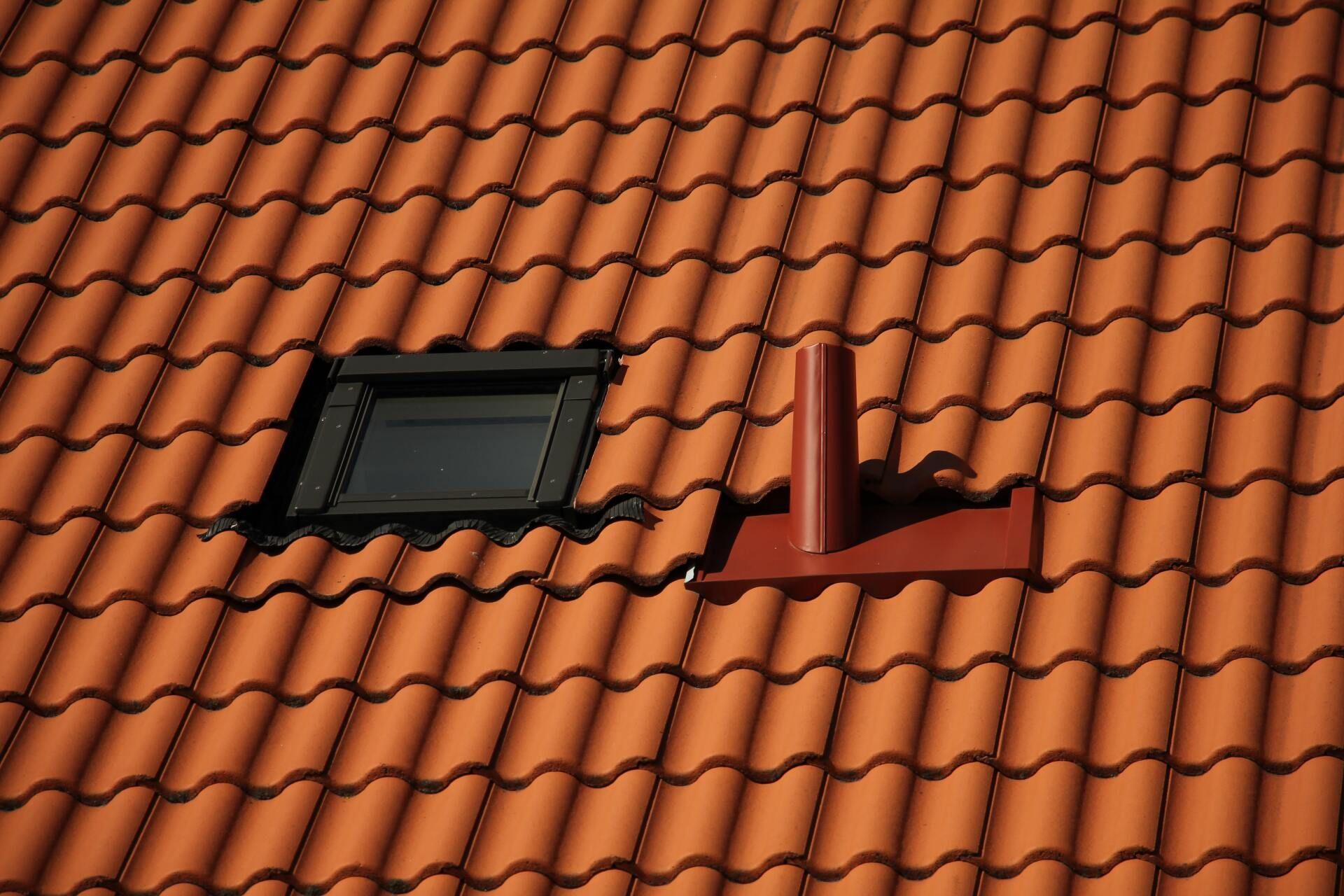
Chimneys, skylights, vents and other roof penetrations are common leak locations. Look for gaps, deteriorated sealant, corrosion or visible movement around flashing.
Damaged flashing should be repaired correctly rather than simply covered with roofing cement or incompatible sealants.
Maintain Proper Attic Ventilation
Proper ventilation helps reduce heat buildup and moisture inside the attic. Excessive attic heat and condensation can contribute to premature deterioration of roofing materials.
Make sure intake and exhaust vents remain clear and that insulation is not blocking airflow.
Recheck the Roof After Strong Wind or Heavy Rain
Southern California storms can loosen roofing materials, damage ridge caps and move debris into drainage areas.
After significant wind or rain, perform a quick ground-level inspection and check the attic for signs of moisture.
Use Roof-Safe Installation Methods
Solar equipment, holiday lights and other accessories should be installed using methods designed for the roofing system.
Avoid unnecessary penetrations and do not walk on fragile tile roofs unless you know how to move safely without breaking tiles.
Follow a Maintenance Schedule
Roof maintenance should not begin only after a leak appears. Regular inspections can help homeowners identify deterioration while repairs are still relatively small.
Keeping photos and notes from inspections can also provide a useful maintenance history for the property.
Seasonal Roof Maintenance
Common Roof Maintenance Mistakes
A Simple Maintenance Calendar
Southern California roofs deal with intense summer heat, seasonal winds and winter rain. A simple schedule can make roof maintenance easier to remember.
March–April
Clean gutters, remove winter debris, inspect flashing and trim branches before summer heat arrives.
June–July
Verify attic ventilation, look for heat-related deterioration and clear light debris from roof drainage areas.
September–October
Perform a full roof inspection, clean gutters and address damaged roofing materials before the rainy season.
Wind & Heavy Rain
Check the roof from the ground and inspect the attic for moisture shortly after significant weather.
Some Roof Problems Should Not Wait
A professional inspection is appropriate whenever there are signs that water may be entering the roof system or roofing materials are beginning to fail.
Need a Professional Roof Inspection?
From leak detection and flashing repairs to tile roof repairs and complete roofing work, Gardner Roofing Company has served San Jacinto and the Inland Empire for more than 53 years.