El Niño 2026–27: Is Your Roof Ready for Winter Rain?
El Niño is strengthening as Southern California heads toward the 2026–27 winter. While no seasonal forecast can guarantee how much rain will fall at your home, now is a smart time to find roof vulnerabilities before the first significant storm exposes them.
What the Current Forecast Actually Says
In its August 13, 2026 update, NOAA's Climate Prediction Center reported that El Niño is strengthening and projected a greater than 90% chance of a very strong El Niño during the Northern Hemisphere fall and winter of 2026–27.
That does not mean every part of Southern California is guaranteed to experience unusually heavy rainfall. Seasonal climate patterns influence the odds of certain weather conditions, but the amount, timing and location of individual storms cannot be predicted months in advance.
For homeowners, the practical takeaway is simple: if your roof already has a weak point, it is better to discover it during dry weather than when water is coming through the ceiling.
Six Roof Areas Worth Checking Before Winter Rain
Water often finds the smallest weakness in a roofing system. These are some of the areas homeowners should pay particular attention to before seasonal rain arrives.
Cracked, Broken or Missing Roofing Materials
Damaged shingles and broken or displaced roof tiles can expose the layers beneath the finished roofing surface.
Even damage that appears minor from the ground may allow wind-driven rain to reach vulnerable areas of the roof system.
Flashing Around Roof Penetrations
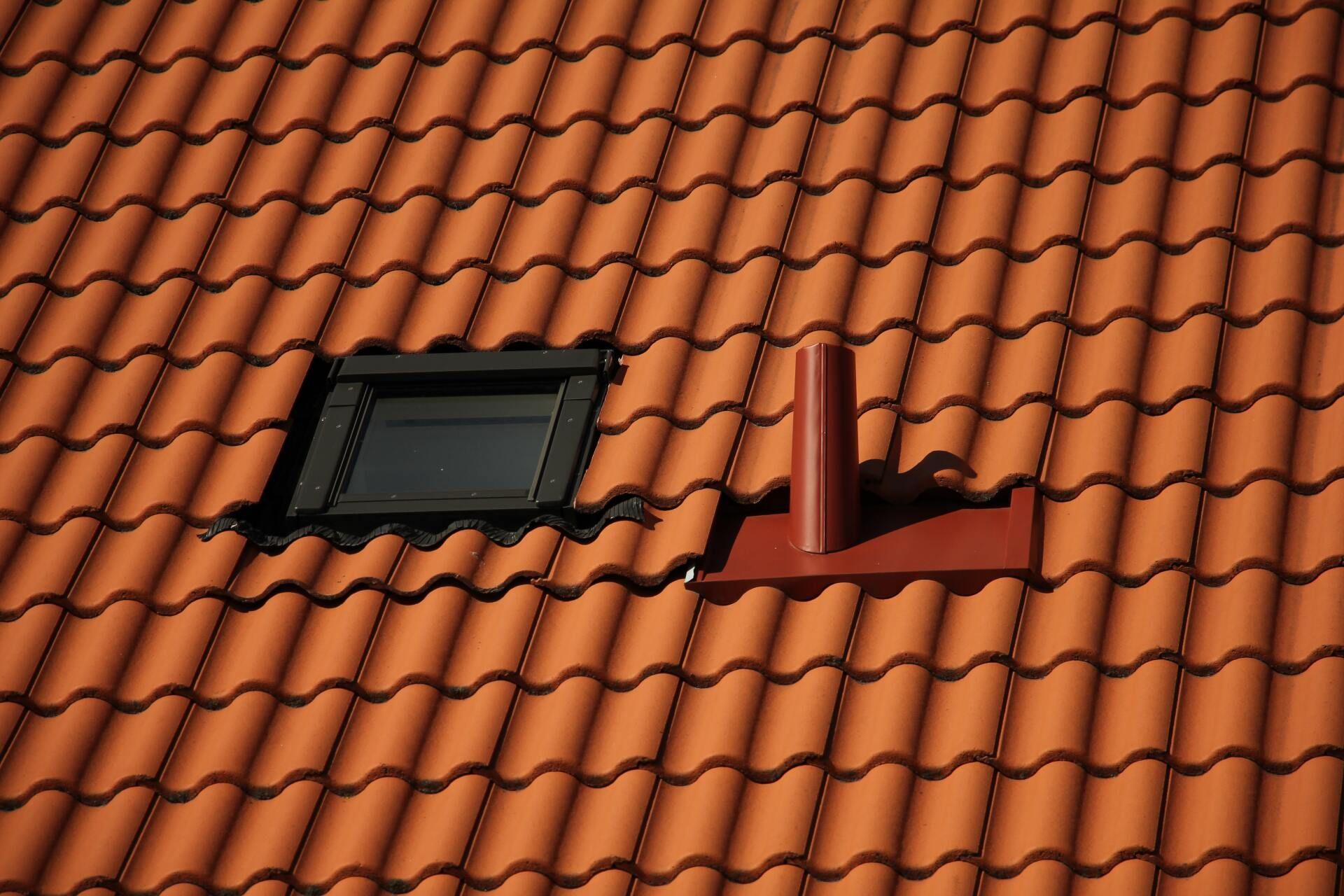
Roof vents, plumbing pipes, chimneys and other penetrations depend on correctly installed flashing to keep water outside.
Loose, deteriorated or poorly sealed flashing is a common place for leaks to develop when rain begins.
Tile Roof Underlayment
Roof tiles provide important weather protection, but the underlayment beneath them is also a critical part of the roofing system.
As underlayment ages and deteriorates, water that gets beneath the tile can become more difficult for the roof system to manage.
Skylights
Skylights introduce several transitions into a roof and depend heavily on proper flashing and drainage.
Water staining, damaged seals or deteriorated flashing around a skylight should be investigated before the rainy season.
Valleys, Gutters and Drainage Areas
Leaves, branches and roofing debris can interfere with the path water is supposed to take away from the roof.
Roof valleys and drainage areas should remain clear so water does not back up or collect where it should be flowing freely.
Previous Repair Areas
Locations that have leaked or been repaired in the past deserve another look before winter weather arrives.
Temporary patches, aging sealants or recurring moisture can be indications that a more permanent repair may be necessary.
Check These Before the Rain Starts
Signs Your Roof May Already Have a Problem
The Best Time to Find a Roof Leak Is Before It Rains
Once a major storm arrives, roofing contractors can receive a sudden increase in emergency calls from homeowners who have just discovered active leaks.
Addressing a suspected problem while conditions are dry gives a roofer more time to evaluate the roof, discuss repair options and complete appropriate work before the roof is exposed to significant rainfall.
Look for visible deterioration and evidence of previous moisture.
Identify the actual source of the problem rather than treating only the visible symptom.
Correct vulnerable areas while weather conditions still allow planned roofing work.
After significant wind or rain, look again for newly developed damage or signs of moisture.
What to Check After a Storm
Even a roof that appeared fine before winter can sustain damage during strong wind or heavy rain. A quick post-storm check can help identify a developing problem early.
Check Ceilings
Look for new stains, bubbling paint, damp drywall or active water.
Inspect From the Ground
Look for displaced tiles, missing shingles, debris or visible roof damage.
Check for Moisture
Watch for wet decking, damp insulation, staining or new musty odors.
Check Gutters & Valleys
Confirm water is flowing away from the roof and that storm debris has not created a blockage.
Don't Wait for a Small Leak to Become Interior Damage
If you already have evidence of roof deterioration, previous leaks or questionable flashing, a professional inspection can help determine whether repair is needed before winter weather arrives.
Preparing Inland Empire Roofs for Southern California Weather
Gardner Roofing Company has served San Jacinto and the Inland Empire for more than 53 years, providing roof repair, roof leak detection, tile roofing, re-roofing, skylight services and new roof installation.
If you are concerned about how your roof will perform during the 2026–27 rainy season, we can inspect the roof and explain what needs attention before the weather changes.
Concerned About Your Roof Before the Rain Arrives?
Schedule an inspection with Gardner Roofing Company and find out whether your roof has vulnerable areas that should be addressed before the 2026–27 winter season.